

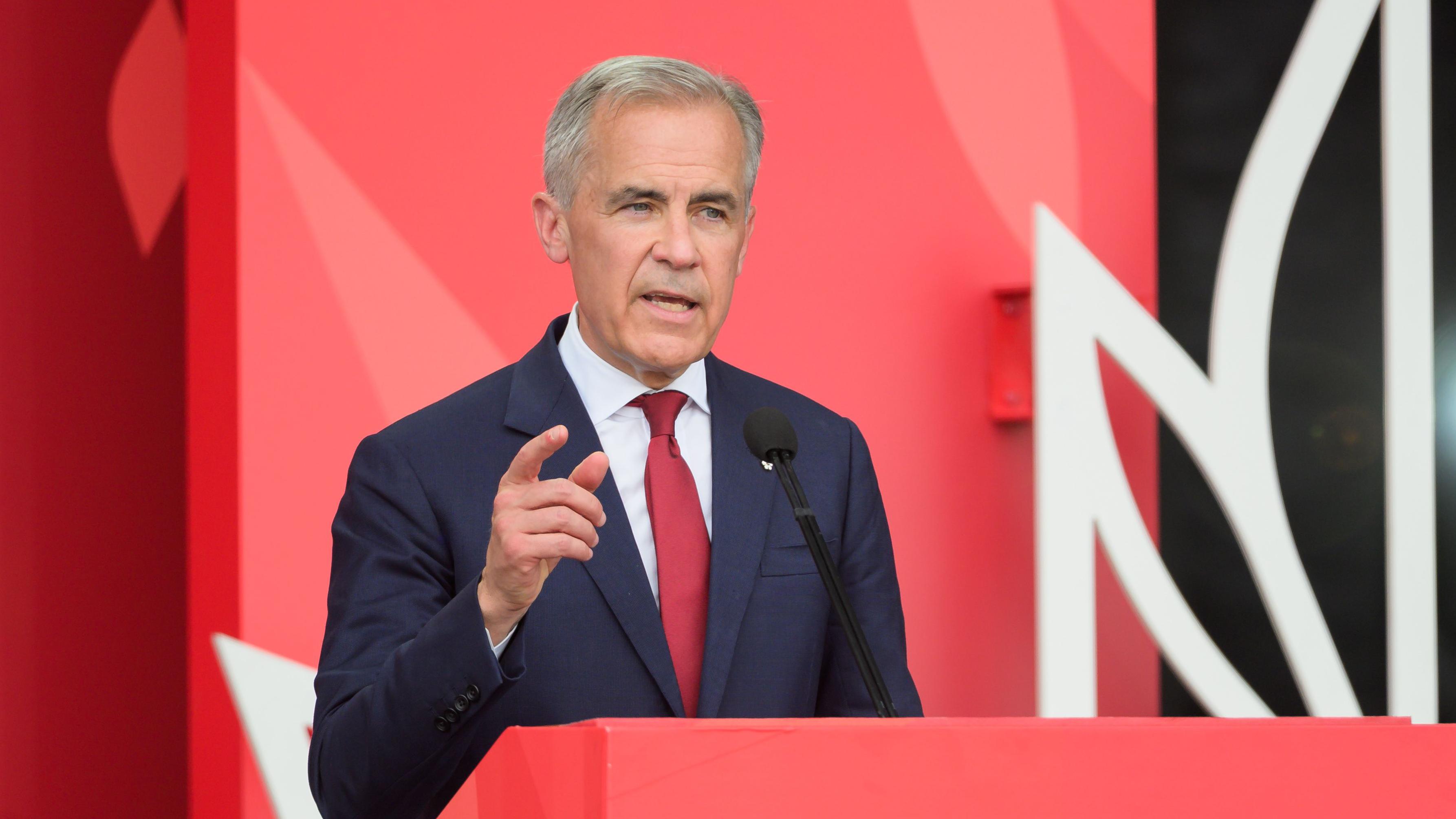

In a recent public statement, former Bank of England Governor Mark Carney suggested that any forthcoming trade agreement between the United States and Canada is likely to feature certain targeted tariffs. Carney, who has also served as Governor of the Bank of Canada and is now a prominent voice in global finance and economic policy, emphasized that evolving economic dynamics, geopolitical pressures, and industrial strategy may require both countries to revisit assumptions about fully tariff-free trade.
Though Carney did not specify particular industries or products that might be impacted, his remarks suggest a departure from the enduring concept of total free trade between the two countries. Rather, he emphasized a possible requirement for “smart tariffs” or selective trade limitations intended to safeguard strategic sectors, address carbon output, or secure supply chain robustness, particularly in crucial fields like energy, manufacturing, and clean technology.
This view mirrors a wider international movement where nations are re-evaluating traditional models of trade liberalization, shifting towards more sophisticated economic alliances that emphasize national priorities, environmental objectives, and economic stability. Carney’s comments, made at a forum on enhancing North American competitiveness, highlight how both Canada and the United States are dealing with a more intricate global trade landscape influenced by hurdles such as inflation, climate change, digital innovation, and geopolitical stress.
The commercial ties between Canada and the United States rank among the most significant and complex globally. Daily, merchandise and services valued at billions traverse the border, fueling industrial innovation, job opportunities, and economic expansion in both nations. Although the United States-Mexico-Canada Agreement (USMCA), which succeeded NAFTA in 2020, advanced trade regulations to align with today’s economic landscape, there’s an increasing awareness that emerging challenges require revised approaches.
Carney’s remarks imply that a future revision or renegotiation of the USMCA—or a completely new bilateral agreement—might need to consider changes in industrial strategy. For instance, both Canada and the U.S. are making significant investments in clean energy technologies, such as electric vehicles (EVs), essential minerals, and renewable energy systems. Tariffs might be utilized strategically to promote domestic manufacturing, decrease dependence on non-allied nations, and achieve ambitious environmental goals.
Additionally, concerns over labor standards, environmental protection, and digital trade have prompted calls for a more values-based trade framework. Rather than focusing solely on lowering costs and eliminating tariffs across the board, modern trade policy may seek to align with broader national objectives, such as fair labor practices, climate adaptation, and data sovereignty. In this context, carefully designed tariffs could act as tools for leveling the playing field and ensuring economic fairness.
Carney also alluded to the shifting role of global institutions and the erosion of multilateralism in trade governance. With the World Trade Organization (WTO) facing increasing challenges to its authority, countries are increasingly turning to regional or bilateral agreements to secure their economic interests. The rise of industrial policy in both Washington and Ottawa points to a future where trade is less about blanket liberalization and more about targeted collaboration and managed competition.
While some business leaders and economists warn that introducing new tariffs could disrupt supply chains or increase consumer costs, others argue that such measures may be necessary to support long-term economic resilience. Recent global events—including the COVID-19 pandemic, supply shortages, and geopolitical conflicts—have revealed vulnerabilities in international trade systems that many governments are now seeking to address through domestic investment and selective protectionism.
For Canada, a shift toward accepting certain tariffs in trade negotiations may represent a strategic balancing act. On one hand, it remains deeply committed to open trade and multilateralism, having signed agreements with the European Union and Pacific nations in recent years. On the other hand, the economic influence of the United States, as Canada’s largest trading partner, means Ottawa must stay closely aligned with U.S. trade policy shifts—especially under administrations that prioritize domestic manufacturing and energy security.
Carney’s remarks also have implications for climate-related trade mechanisms, such as carbon border adjustments. These tools, which impose tariffs on imports based on the carbon intensity of production, are gaining traction in Europe and are being discussed in North America as a way to prevent “carbon leakage”—the outsourcing of pollution to countries with weaker environmental regulations. In such cases, tariffs would serve not as protectionist instruments but as environmental safeguards designed to promote global climate accountability.
In the coming months, regulatory authorities, industry executives, and trade specialists from both nations are expected to examine the potential integration of specific tariffs into upcoming trade agreements, ensuring they do not hinder the overall exchange of goods and services across borders. Clarity, consistency, and cooperation will be crucial to prevent triggering trade conflicts or countermeasures.
From a political viewpoint, the notion that tariffs might resurface within North American trade policy is likely to generate diverse opinions. Free trade supporters could perceive this as a regression, whereas champions of economic nationalism and strategic independence might regard it as an essential advancement. For lawmakers, the task will be to find an equilibrium between economic integration and national interests—especially in industries deemed crucial for future prosperity and security.
Mark Carney’s suggestion that an eventual trade agreement between the U.S. and Canada might feature specific tariffs signals a notable change in how nations view global trade. Instead of depending entirely on free-trade ideology, new trade approaches could combine liberalization with strategic protections to navigate a more intricate economic and geopolitical environment. As talks progress and circumstances change, both countries will have to thoughtfully assess the use of tariffs and additional measures to protect their interests while preserving the strong economic connections that have characterized the U.S.-Canada partnership for years.

