

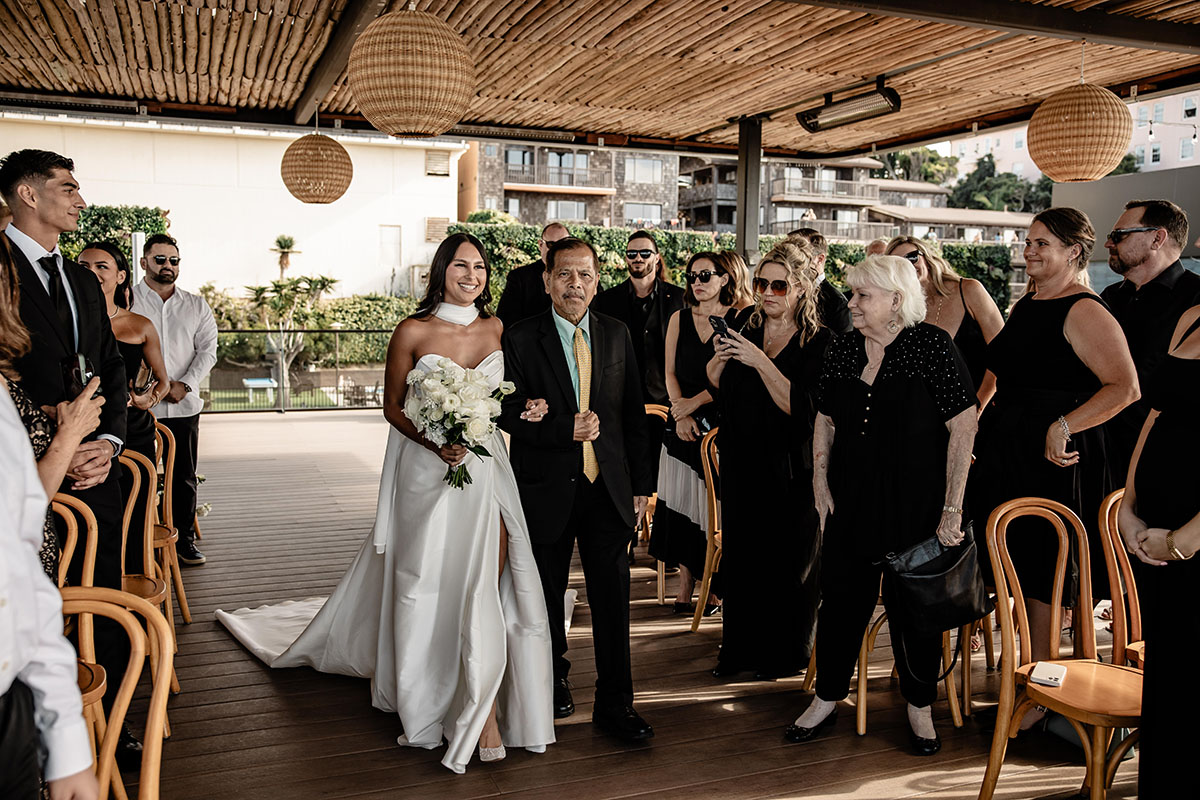

When it comes to wedding invitations, few dress codes create as much uncertainty as “black tie optional.” Guests often pause at the phrase, unsure whether it’s a call for tuxedos and evening gowns or a more relaxed approach to formalwear. Unlike straightforward guidelines such as “casual” or “black tie,” the “optional” clause leaves room for interpretation—sometimes too much room.
Therefore, what does the term “black tie optional” actually imply, and how should attendees understand it when choosing their attire? Grasping this dress code can ensure that guests achieve the proper blend of sophistication and suitability, avoiding dressing either too formally or too casually.
At its essence, “black tie optional” indicates a dress code that is nearly as formal as black tie, yet offers some flexibility. For gentlemen, this implies that donning a tuxedo is appreciated but not mandatory; a dark, well-fitted suit with a traditional tie is equally suitable. For ladies, this dress code encourages long evening dresses, but elegant cocktail dresses, stylish jumpsuits, or a formal midi dress are also appropriate.
Based on how the couple sees it, selecting a dress code labeled as “black tie optional” frequently serves as a means to support a broader spectrum of guest tastes and financial considerations. They may picture a sophisticated event—maybe a nighttime gathering at an opulent location—but they are also aware that not all attendees have a tuxedo or an evening dress. The optional nature allows for a sophisticated atmosphere without compelling every attendee to don completely formal clothing.
The time and setting of the event can also provide clues. If the wedding is scheduled for the evening at a high-end location like a historic hotel, art museum, or private club, the vibe leans more formal, nudging guests toward the tuxedo and gown end of the spectrum. Conversely, a daytime ceremony or reception in a garden or beach setting may indicate more flexibility within the “optional” category.
For gentlemen aiming for a more formal appearance without opting for a tuxedo rental, a deep navy or charcoal suit combined with a sharp white shirt and a traditional tie will often suffice. Shiny dress shoes and subtle accessories finish the ensemble. If the bridal party is wearing tuxedos, choosing to wear one as a guest can align with the style, although it is not required.
Women tackling a “black tie optional” dress code have many chic choices. An elegant evening gown is consistently a reliable option, especially for gatherings beginning after 6 p.m. Nevertheless, an upscale cocktail dress—crafted from luxurious materials like silk, satin, or chiffon—can also be fitting. Accessories such as standout earrings, a stylish clutch, and classy heels can enhance even a simple outfit to match the event.
Color choice also plays a role. Deeper tones like navy, emerald, burgundy, or black tend to convey a more formal mood, while lighter pastels or floral patterns can work if the setting and time suggest a more relaxed interpretation. Regardless of the hue, aim for refined silhouettes and well-constructed garments.
It’s important not to confuse “black tie optional” with semi-formal or cocktail attire. While those codes are more lenient and casual, “black tie optional” still implies a level of elegance. Showing up in something too informal—like a sundress, khakis, or sport coat—might feel out of place, especially if other guests have leaned into the more formal end of the spectrum.
One advantage of this dress code is the room it offers for personal style. Unlike strict black tie, which limits men to tuxedos and women to floor-length gowns, “optional” allows for a more individual approach. Guests can honor the formality of the occasion while choosing outfits that align with their personal taste and comfort.
Esta adaptabilidad puede ser particularmente beneficiosa para los invitados que vienen de fuera de la ciudad o aquellos que viajan con espacio de equipaje limitado. Llevar un traje versátil o un vestido que pueda convertirse de formal a casual con accesorios proporciona opciones sin comprometerse con un único estilo. Para las parejas, ofrecer esta alternativa puede garantizar que los invitados se sientan cómodos sin importar sus opciones de vestuario o sus preferencias de moda.
Certainly, if any invitee is uncertain, it’s completely appropriate to contact the bride and groom or the wedding coordinator for guidance. They can provide information about the venue’s formality, the wedding party’s attire, and any local traditions that might affect expectations. This is particularly relevant for weddings held in other locations or multicultural events, where clothing guidelines might differ according to customs.
In the end, the purpose of a wedding dress code is to create an atmosphere that matches the couple’s idea while ensuring that guests feel at ease and self-assured. “Black tie optional” balances sophistication with inclusiveness, offering a chic yet flexible choice. It enables everyone to enjoy the event’s formality without being restricted by strict guidelines.
When thoughtfully interpreted, this dress code can make for a beautifully dressed guest list that looks cohesive without appearing uniform. With attention to detail, quality fabrics, and a nod to formality, guests can embrace “black tie optional” with confidence, ensuring they fit in with the event while expressing their own sense of style.

